Learn How to Run Without Gasping or Wrecking Your Joints in Just 1 Week
1 Week Runner is for anyone in their 50s and 60s who wants to learn how to run the right way, so they can stop gasping after 30 seconds, look after their knees, and actually enjoy their running.
Then put it into practice with the 12-Week Finisher — a gradual plan that safely builds you from 60 seconds of running to your first 5K, with direct access to me along the way.

Thank you for your advice and encouragement. I literally COULD NOT run for more than 30 secs when I started by myself a couple of months ago. I am now able to complete your week 4 program. I can hardly believe it! Slow and steady is definitely key.
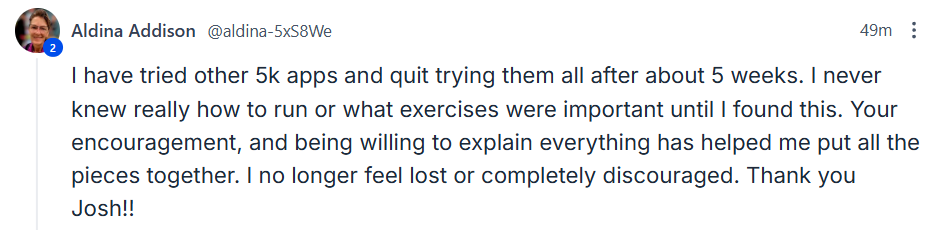
I have tried other 5K apps and quit trying them all after about 5 weeks. I never knew really how to run or what exercises were important until I found this. It helped me put all the pieces together. I no longer feel lost or completely discouraged. Thank you Josh!!
Josh has helped me make noticeable progress. I'm confident I'll increase distance and intensity in the months ahead. I cannot recommend Josh highly enough!
Most people who try to start running never actually get there.
Maybe you’ve never run a step. Maybe you used to run and miss it. Maybe you tried Couch to 5K and it fell apart.
Wherever you’re starting from, it tends to go the same way — and it’s not because you’re “not a runner.”
Most start strong — then around week 5 it falls apart. They get hurt, or can’t keep up, and they drop out.
Some never run again. Others spend months nursing an injury, then trying to figure it out alone.
Here's what nobody stops to ask:
Why do people only learn how to run properly after they've already crashed out of their first plan?
That's why I created 1 Week Runner. The concept is simple: build the foundation first.
Running is a skill — and skills can be learned at any age. Learn the foundations in one week, and you won't just start running — you'll become a runner who lasts.

Where you'll go
Build the foundation in one week, and here's the shift you'll feel:
Over 1 week, you master the STABLE method
Six foundational skills every new runner needs — one a day.
DAY 1SSlow Pace
- Find your true easy pace, so you stop gasping after 30 seconds
- The pacing that helps you run for longer
- Know exactly where to start — and quiet the "I'm not a runner" voice
DAY 2TTechnique
- Run with better form using the simple LEAP method
- Two easy drills to help you run with light steps
- Breathe without gasping — plus the quick fix for a side stitch
DAY 3AActivate
- The 5-minute warm-up that's your easiest way to lower injury risk
- 8 simple movements, no equipment, before every run
- Why running cold is behind so many beginner niggles
DAY 4BBuild Strength
- Protect everything around your hips, knees and ankles
- Build extra power into every stride
- Start with just your bodyweight — no gym needed
DAY 5LListen to Your Body
- Tell normal soreness from a warning sign to act on
- The recovery and sleep habits that reduce your risk of injury
- A small cadence tweak that eases the load on your knees
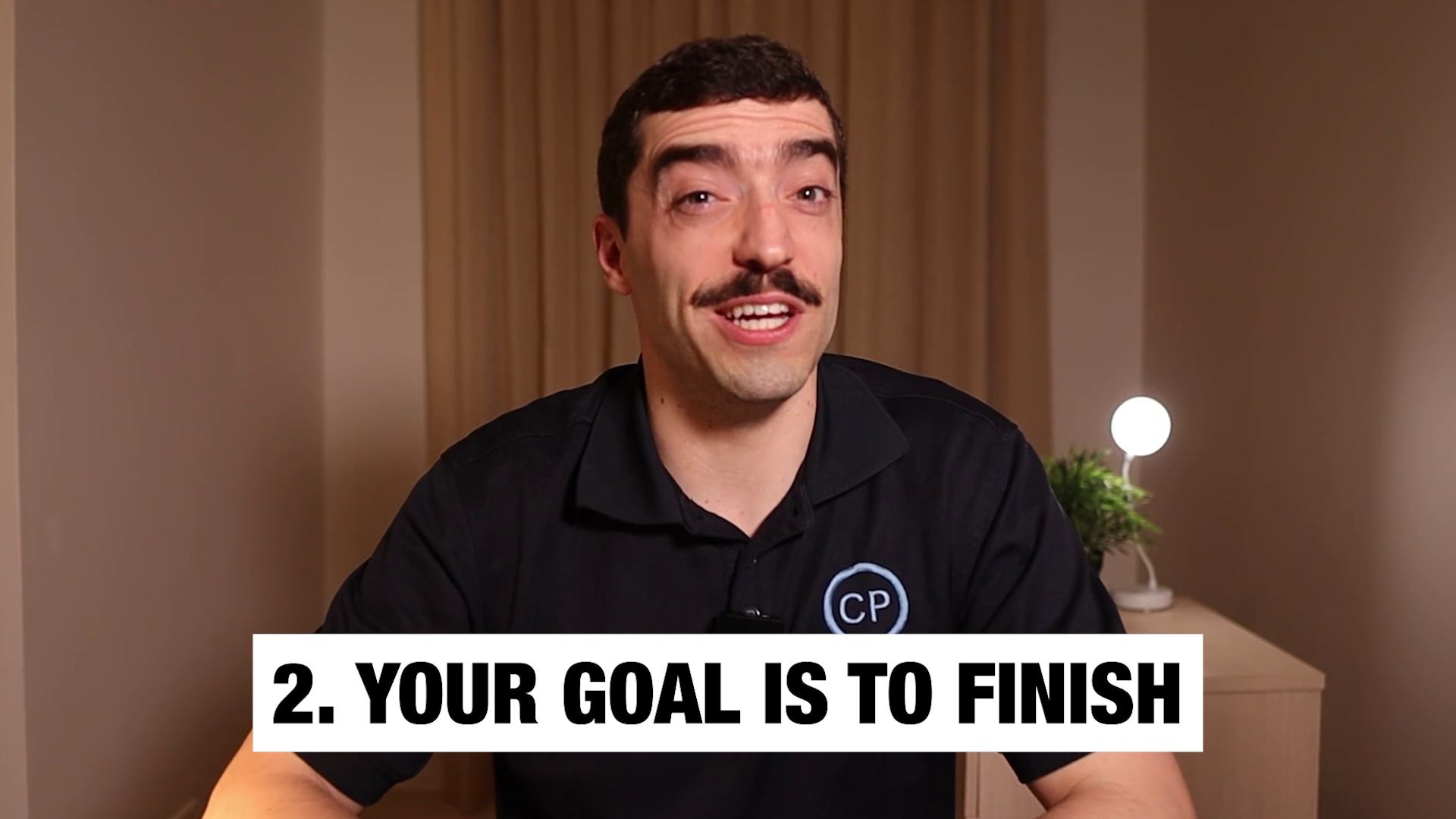
DAY 6EEnjoy Your First 5K
- If you're training for a 5K, how to actually get there
- Pace your race so you finish strong, not gassed
- What to do next, so you keep running for good
DAY 7Rest
- Why the rest day is where your body adapts and gets stronger
Build your foundation this week — and keep running for years
Yes — Teach Me How to Run the Right Way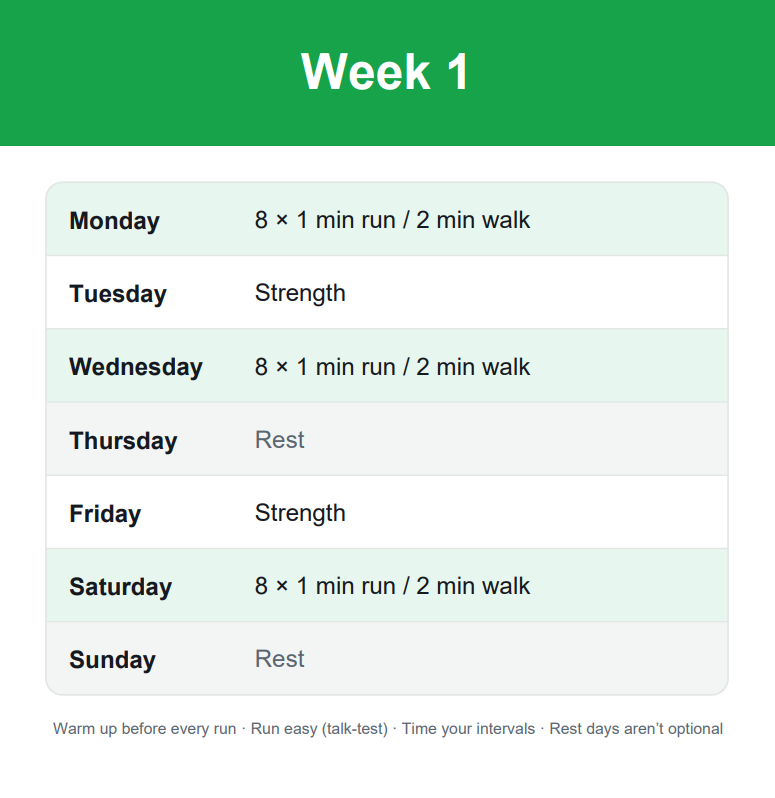
The 12-Week Finisher
This is where you apply everything from 1 Week Runner — a gradual plan that turns each skill into a habit, all the way to your first 5K. Two clear phases — start whenever you're ready.
From 60-second runs to 6-minute runs — about 3km with walk breaks.
- Run/walk intervals that build week by week (with a 30-second on-ramp)
- Strength twice a week for your hips, knees and ankles
From 6-minute runs all the way to your full 5K.
- A lighter recovery week built in, so your body can catch up
- An easier race week, so you arrive fresh on the day
Two companions to keep you on track
Everything from the course, in two things you'll actually reach for — on your phone or printed out.
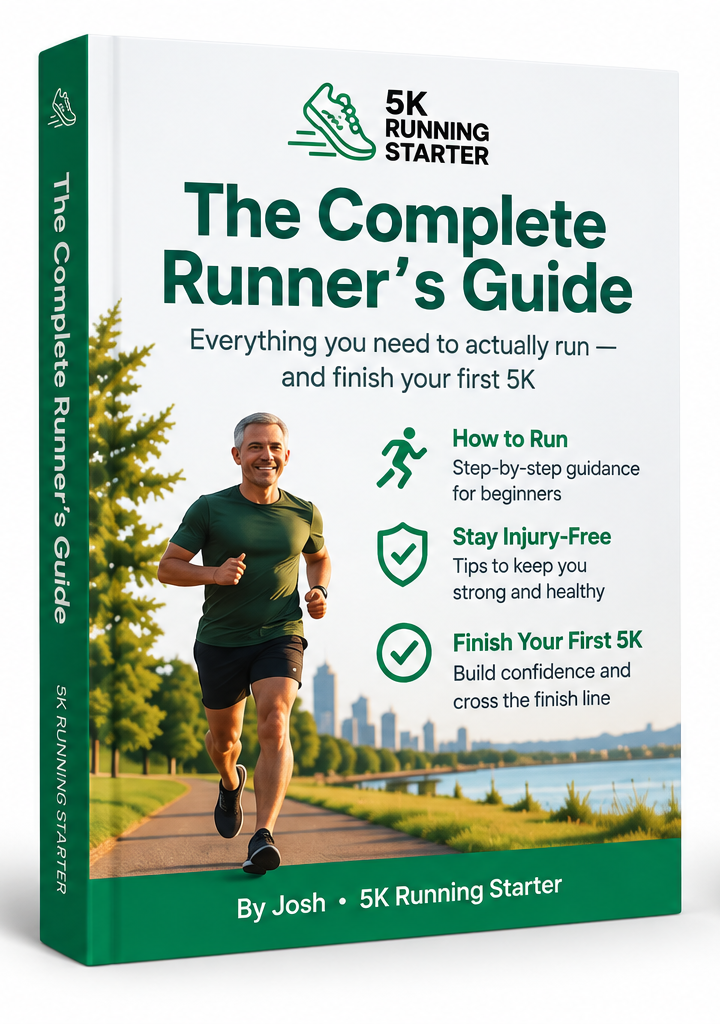
The Complete Runner's Guide
- Every skill from the course, illustrated and in one place
- How to run, warm up, get strong and lower your injury risk
- Keep it on your phone, or print it out
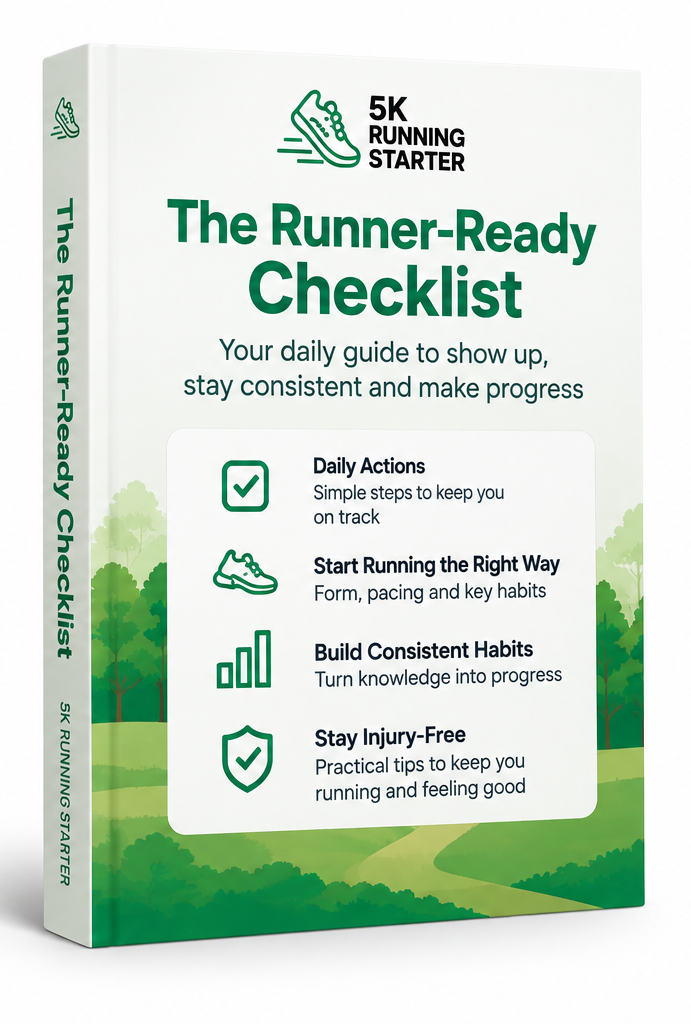
The Runner-Ready Checklist
- Every day's key actions in one place
- Tick each one off as it becomes a habit
- Know exactly what to do, without second-guessing
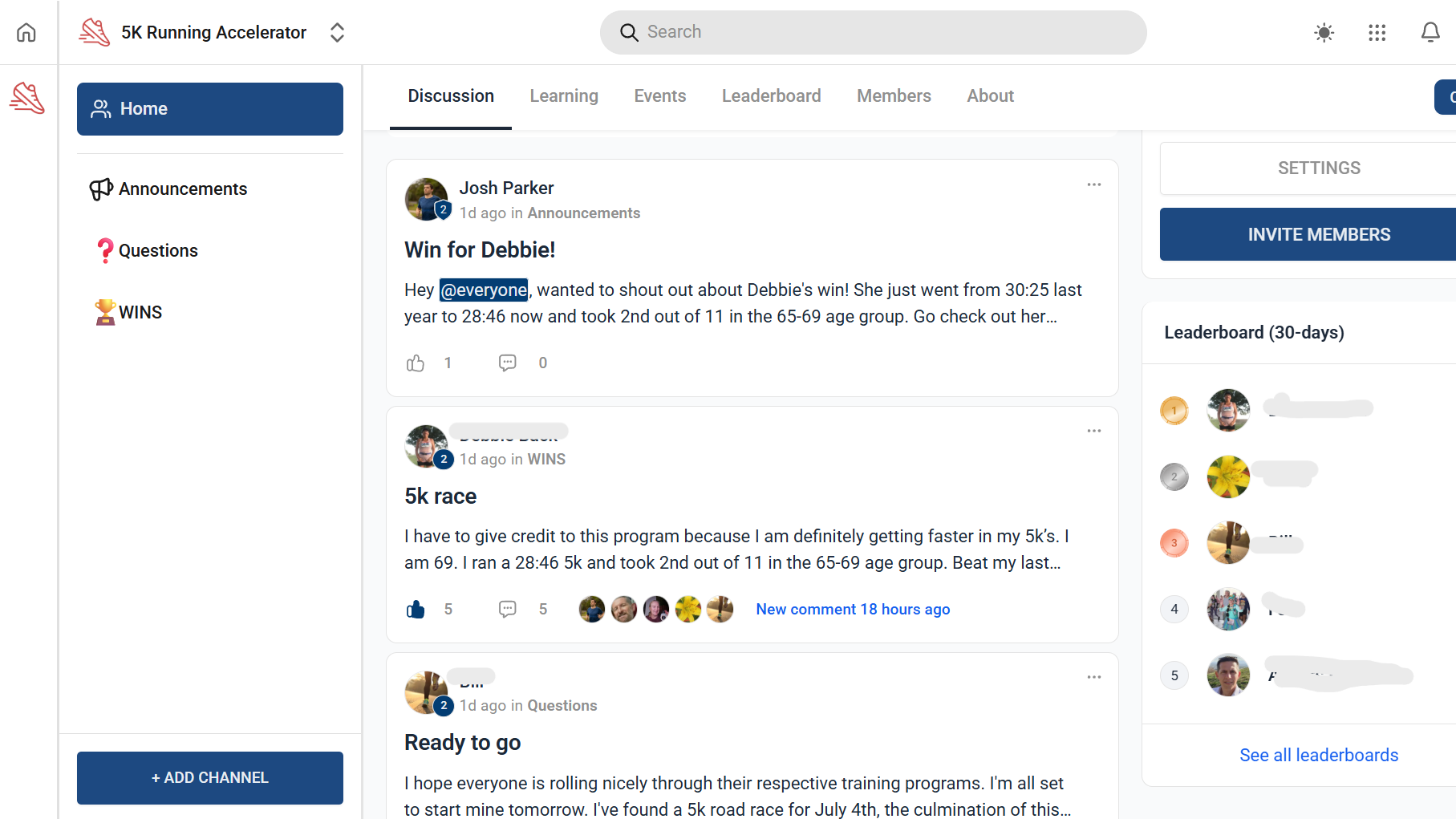
You're never on your own this time
- A private community to ask questions and share your wins
- Direct access — ask me your questions any time
- Expert guidance from a physiotherapist the whole way through
Everything in the 5K Running Starter Bundle
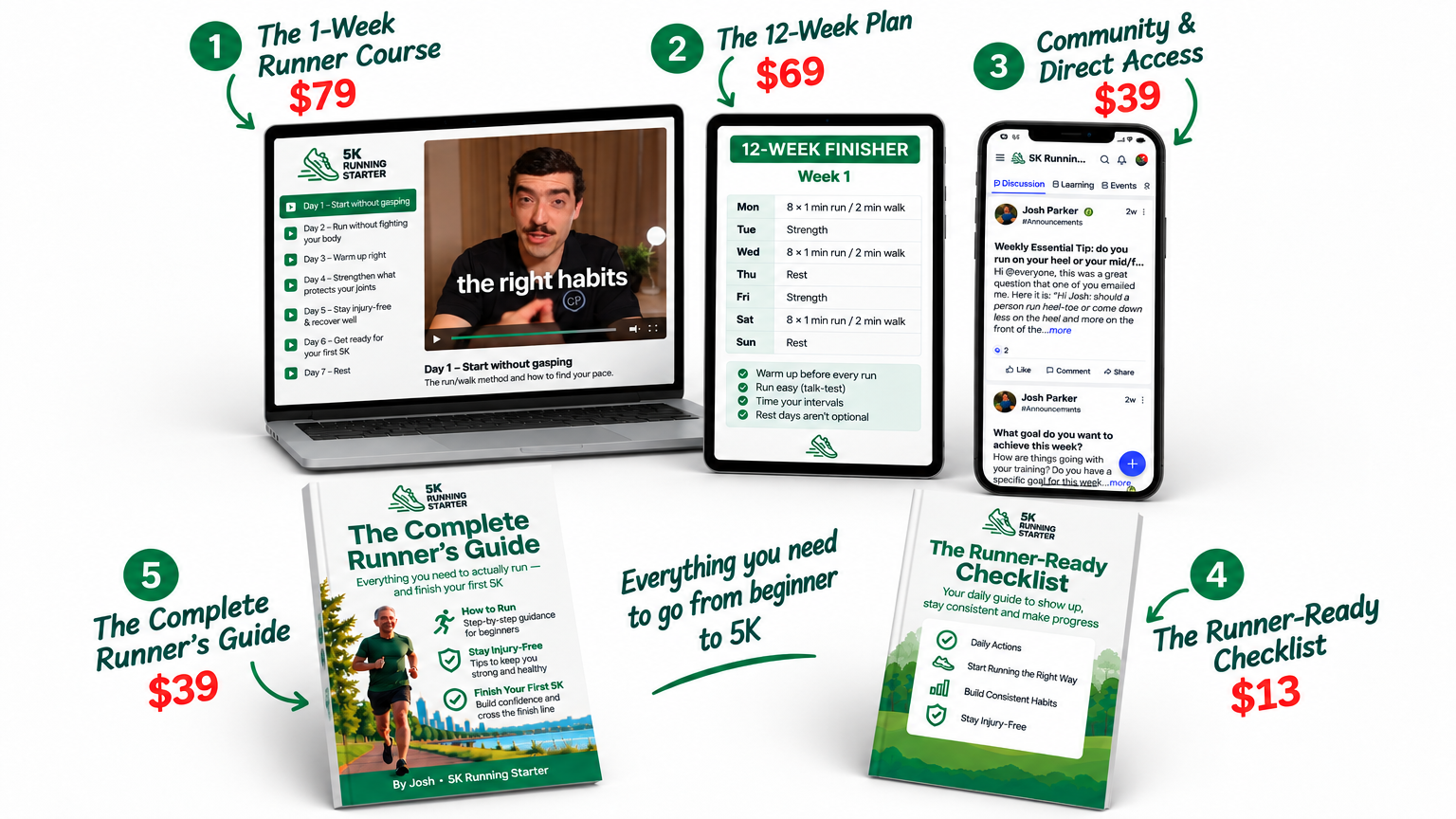
PART 1 · LEARN1 Week Runner
Six daily lessons on the STABLE method — the foundation most beginners skip.
PART 2 · PUT IT INTO PRACTICEThe 12-Week Finisher
A gradual run/walk plan from 60 seconds to your full 5K.
BONUS · GUIDEThe Complete Runner's Guide
A 36-page illustrated companion to keep on your phone or print.
BONUS · CHECKLISTThe Runner-Ready Checklist
Every day's key actions on one page, to tick off as you go.
SUPPORTCommunity & Direct Access
Real answers from me, plus support from other beginners.
Less than the cost of a single physio appointment — for lifetime access to the whole system, plus direct access to me.
The 4-Week Confident Runner Challenge
Your challenge starts the day you join.
Build your foundation with the STABLE method in 1 Week Runner.
Put it into practice with the first three weeks of your 12-week plan.
If you don't feel like a more confident runner by the end, email me within 30 days for a full refund. No questions asked.
How it compares
There are really only three ways to start running. Here's how they stack up.
| Standard 5K appslike Couch-to-5K | Figuring it outon your own | 5K Running Starter | |
|---|---|---|---|
| Teaches you how to run | ✗Just a schedule | ✗Trial and error | ✓Physio-taught |
| Looks after your body | ✗Ignored | ✗Learn the hard way | ✓Built in |
| Ramps up sensibly | ✗Too fast, too soon | ✗Guesswork | ✓Gradual, with a deload |
| Support when stuck | ✗None | ✗None | ✓Community + direct access |
| The result | ✗Weeks, then quit | ✗Months of guesswork | ✓A foundation for years of running |
"But could I really do this… at my age?"
If any of these sound like you — good. They're exactly the doubts I built this to answer.
"I can't even run for 30 seconds."
That's a pacing problem, not a fitness one.
Almost everyone starts too fast. At a pace slow enough to hold a conversation, you'll go further than you think — that's Day 1.
"I literally COULD NOT run for more than 30 secs when I started… I'm now able to complete week 4. Slow and steady is definitely key." — Rosemary L, United States
"I'm too old to start running."
Your body still adapts, at any age.
People start running in their 60s and 70s all the time — we just build more gradually.
"Running will wreck my knees."
The research points the other way.
In everyday runners, regular running is linked to healthier knees, not worse ones — and I'll teach you to run in a way that looks after them.
"My dodgy knee or hip means running isn't for me."
That's exactly who this was built for.
It's built around the strength and form that protect those joints. (Got a specific condition? Get your doctor's okay first.)
"It's too late for me."
You're learning a skill, not training for the Olympics.
Walk breaks are welcome. The best time to start was years ago; the second best is today.
More runners getting there
Big thanks to Josh for the 5km program. This morning's parkrun was the perfect confidence boost!
The program works. It's not too difficult and allows you to build strength gradually.
Meet Josh
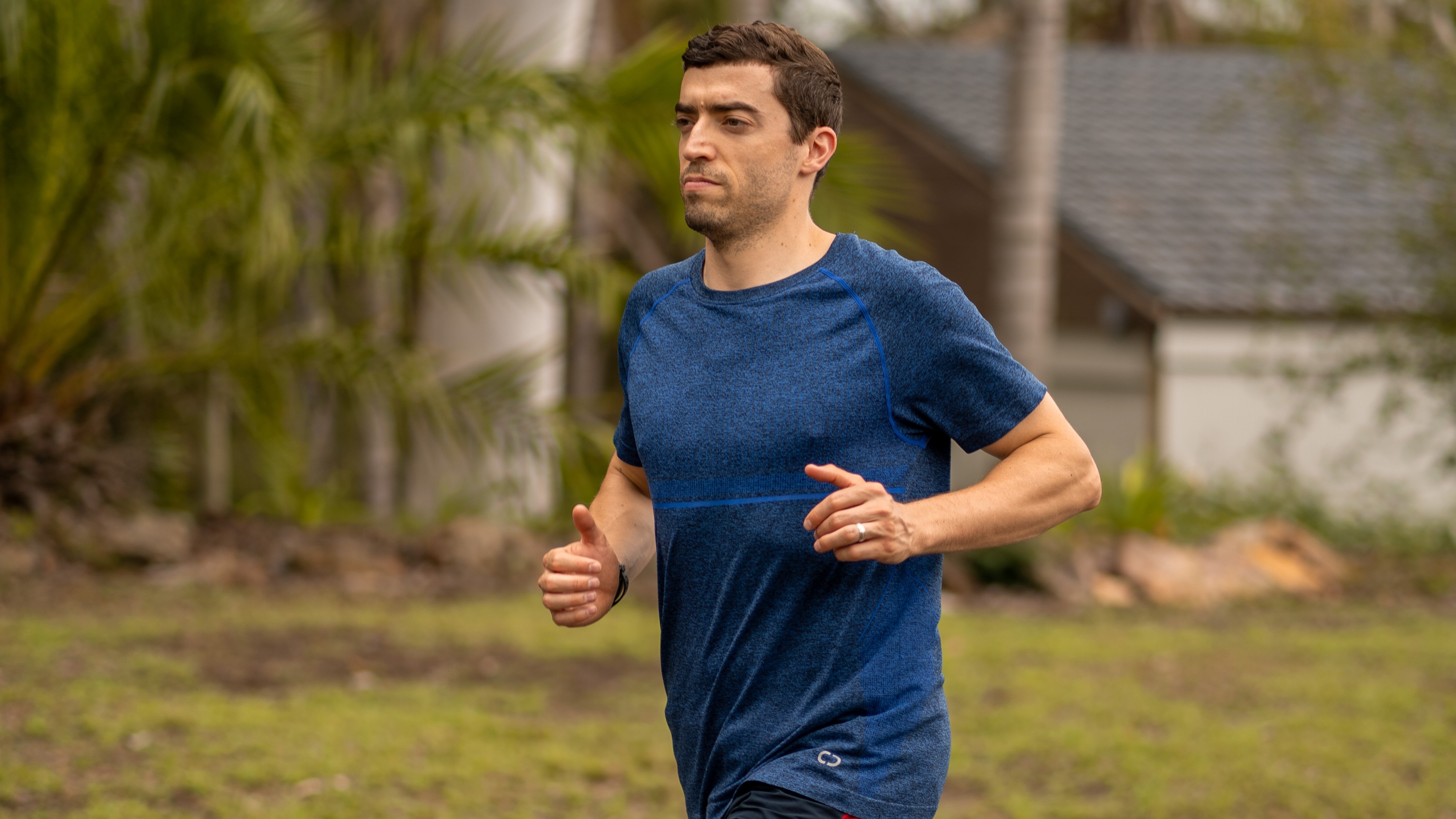
I'm Josh — a physiotherapist for over 9 years, helping runners get stronger and recover from injuries.
But when I started running, I had no idea what I was doing. I'd run flat out, last a few minutes, and my asthma would leave me gasping for breath. I didn't get any better. Maybe I just couldn't.
It took me months to piece it together on my own — and I paid the ignorance tax: hip flexor, big toe and ankle pain.
Once I learned the skills and habits to run properly, I finished my first 5K — and I've been running ever since.
So I built 1 Week Runner — to give beginners the skills, strength work and support to start right, and become runners who last.
Frequently asked questions
Who is this program for?
- You're in your 50s or 60s and have never really run before
- You want to learn to do it properly from the start — not piece it together from YouTube
- You used to run, and want to get back into it safely — the right way this time
- You're worried about your knees or getting injured
- You've tried a standard 5K app and dropped out, and wondered if you're just "not a runner"
How does 1 Week Runner work?
Do I have to do the 12-week plan?
I've literally never run a step. Can I really do this?
Do I need special shoes, a smartwatch or a gym?
What if I get injured or miss a week?
How long do I get access for?
Is there a guarantee?

The 4-Week Confident Runner Challenge
Learn the foundations in week 1, then put them into practice for weeks 2–4. If you don't feel like a more confident runner by the end, email me within 30 days for a full refund. No questions asked.
Stop guessing, risking injury, or convincing yourself you can't do it.
Learn how to run the right way — and become a runner who lasts. Lifetime access, plus direct access to me the whole way.